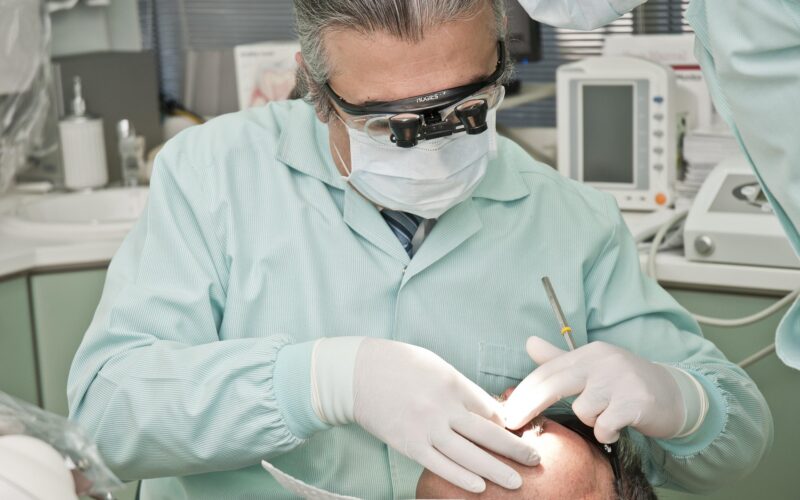
Dental anxiety affects millions of people across the UK, and much of that fear stems not from real experience, but from myths. From tales of agonising root canals to the belief that straighter teeth are purely cosmetic, misinformation about dental procedures is surprisingly widespread. Whether these stories come from a nervous friend or an outdated memory, they can stop people from getting the care they genuinely need. It's time to set the record straight.
Dental implants are extremely painful
Few dental myths are as persistent — or as unhelpful — as the idea that dental implants Solihull are an ordeal to be endured. The reality is quite different. The procedure is carried out under local anaesthetic, meaning patients feel pressure rather than pain during treatment. Post-procedure discomfort is typically mild and manageable with over-the-counter pain relief. Most patients report that the experience was far less daunting than they had anticipated. Dental implants are, in fact, one of the most reliable and long-lasting solutions available for replacing missing teeth.
Invisalign is only for minor cosmetic concerns
Invisalign has a reputation for being a cosmetic fix for slightly wonky teeth, but this undersells what the treatment can actually achieve. Clear aligner therapy has advanced considerably over the past decade, and Invisalign is now used to treat a broad range of orthodontic issues — including overbites, underbites, crossbites, and significant crowding. A qualified dentist or orthodontist can assess whether Invisalign Solihull is appropriate for your specific needs. For many adults who ruled it out as "not serious enough", it turns out to be exactly the right solution.
You only need to see a dentist when something hurts
This is one of the most damaging myths of all. Tooth decay, gum disease, and even oral cancer can develop quietly, without any noticeable pain in the early stages. Routine check-ups allow your dentist to identify problems before they become serious — and considerably more expensive — to treat. The British Dental Association recommends attending check-ups at intervals advised by your dentist, which may range from three months to two years depending on your oral health. Waiting for pain to appear is rarely a sound strategy.
Whitening treatments damage your enamel
Concerns about enamel damage put many people off professional whitening, but when carried out correctly by a registered dentist, tooth whitening is considered safe. Professional treatments use carefully controlled concentrations of hydrogen peroxide or carbamide peroxide, applied in a way that minimises sensitivity and protects surrounding tissue. The key word here is "professional" — over-the-counter products bought from unregulated sources are a different matter entirely, and these carry a higher risk of harm. Always seek treatment from a qualified dental professional.
Children don't need to see a dentist until their adult teeth come in
It's a common assumption, but waiting until adult teeth appear before booking a first dental appointment can set children up for problems down the line. Milk teeth play a crucial role in jaw development and in guiding adult teeth into position. Early visits also help children build a comfortable, familiar relationship with the dentist — reducing the likelihood of dental anxiety in later life. Most dental guidelines suggest a child's first visit should happen around their first birthday, or when their first tooth appears.
Getting the facts from your dentist
Dental myths persist because they are rarely challenged directly. The best source of accurate, personalised information is always a registered dentist Solihull who can assess your individual circumstances. Putting off treatment based on hearsay can turn a straightforward issue into a complex one. Whether you're curious about dental implants, considering Invisalign, or simply overdue for a check-up, a conversation with your dentist is the most reliable starting point. Good oral health doesn't require bravery — it just requires the right information.