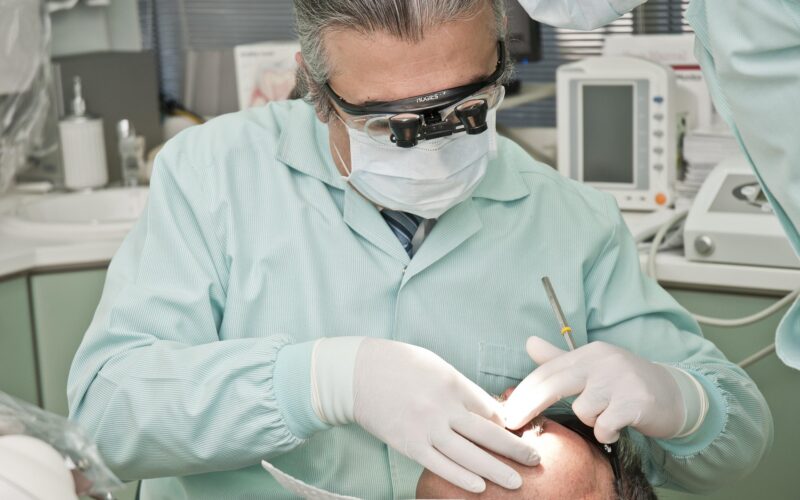
Humanity has always sought ways to alleviate toothache and maintain oral hygiene, though the methods have transformed dramatically over millennia. Tracing the history of dental care reveals a fascinating journey of medical advancement, driven by a profound need to preserve our smiles. Ancient civilisations relied on rudimentary tools and mystical beliefs to treat ailments of the mouth. Today, visiting a Solihull dentist is a scientifically backed, highly refined experience designed to maximise comfort. The progression from crude extractions to sophisticated treatments highlights human ingenuity and our relentless pursuit of better healthcare outcomes.
Early attempts at maintaining oral health
Long before the establishment of modern medical standards, early societies developed their own unique approaches to oral hygiene. Archaeological findings suggest that the Babylonians and Egyptians used twigs with frayed ends to clean their teeth. The ancient Greeks and Romans took a keen interest in dental health, experimenting with early forms of toothpaste made from crushed bones and oyster shells. During these eras, treatments for decay often involved extracting the offending tooth without anaesthesia. The concept of restorative dentistry was practically non-existent, leaving individuals with few options once a tooth was inevitably lost.
The emergence of the professional dentist
The profession began to formalise significantly during the eighteenth century, thanks to a French physician named Pierre Fauchard. Often referred to as the father of modern dentistry, Fauchard published a groundbreaking comprehensive system for caring for teeth. He introduced the idea of filling cavities to preserve the natural tooth structure and pioneered the use of early dental prostheses. Before his contributions, oral care was largely left to barbers, who would perform painful extractions alongside cutting hair. Fauchard's work shifted the paradigm entirely, establishing a foundation of medical science that future practitioners would build upon.
Advancements in replacing missing teeth
As the medical field matured into the twentieth century, so did the materials and techniques used to restore damaged smiles. One of the most significant breakthroughs in restorative care was the development of Solihull dental implants. While ancient populations occasionally attempted to replace missing teeth with carved animal bones, the modern era introduced biocompatible titanium. This remarkable metal has the unique ability to fuse directly with the jawbone, providing a permanent foundation for artificial teeth. This innovation completely revolutionised restorative procedures, offering patients a durable solution that closely mimics the function of natural teeth.
The rise of discreet orthodontic treatments
Orthodontics also experienced a major transformation over the years, moving away from uncomfortable metal bands towards more aesthetically pleasing options. For decades, traditional metal wire braces were the only effective method for straightening misaligned teeth. Recent technological leaps eventually introduced Solihull clear braces, allowing patients to achieve perfectly aligned smiles without the visual distraction of prominent metal brackets. These transparent aligners are custom-made using advanced computer imaging, gently shifting teeth into their correct positions. This development has encouraged millions of adults to seek orthodontic treatment, proving that medical intervention can also prioritise patient confidence.
Embracing the future of dental care
The trajectory of oral healthcare demonstrates a continuous movement towards less invasive, highly personalised treatments tailored to individual needs. From the frayed twigs of ancient Egypt to the precise digital mapping used for contemporary alignment systems, the focus has always been on improving the patient experience. The ongoing integration of artificial intelligence and 3D printing promises to push these clinical boundaries even further in the coming decades. Reflecting on this remarkable evolution reminds us of the profound privilege it is to have access to modern healthcare, ensuring our smiles remain healthy for a lifetime.